Tiling onto wood
Timber floors and ceramic tiles are not natural bedfellows – tiles are inherently rigid and brittle whereas timber floors are flexible. There are many types of wooden floors but in principle the challenges that they present to the tiler are all the result of this mismatch. There are a number of contributing sources of movement in timber floors which need to be considered when fixing ceramic tiles or natural stones.
Common issues and queries you can face
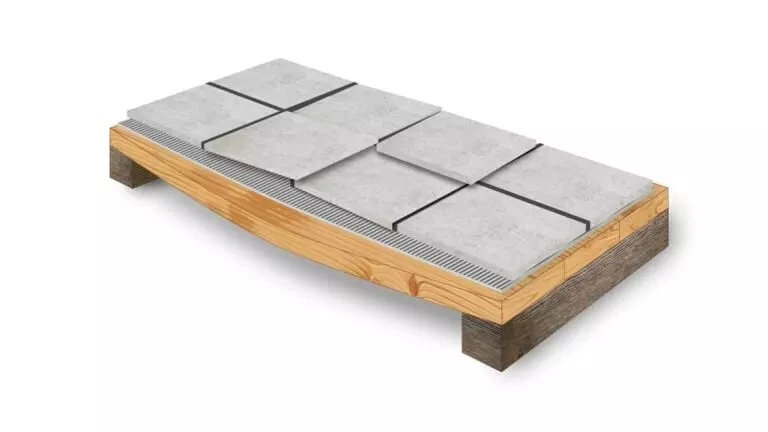
General deflection due to the applied load
The floor will deflect according to the load applied and the stiffness of the structure (joint size, spacing etc). If the adhesive is not flexible or laid thick enough to absorb the amount of movement, the tiles will either delaminate or crack. Large tiles will exacerbate the deflection across each tile's width.
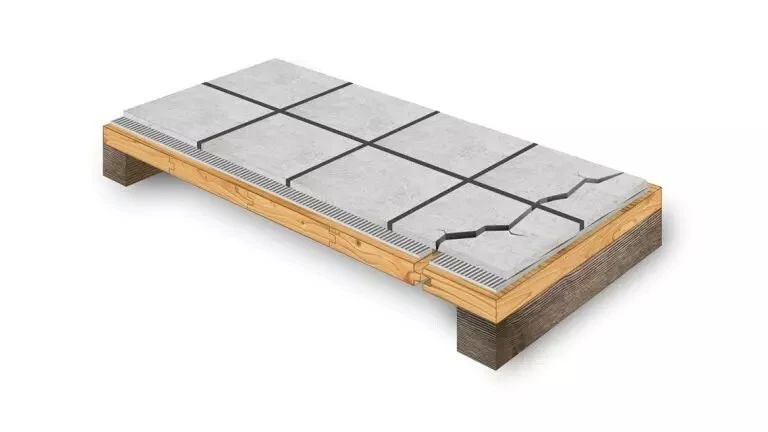
Localised movement
Any inadequately supported joint will cause a highly localised movement which can crack tiles. Joints may be supported by joists, noggings, or the tongue/groove of each board beneath.
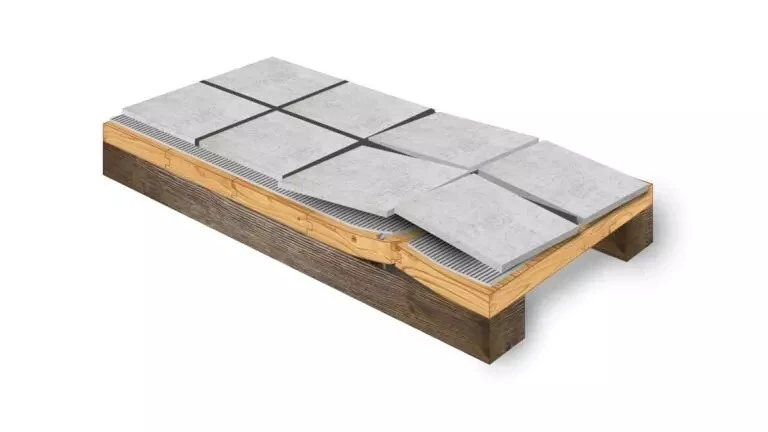
Temperature related expansion and contraction
Wood expands and contracts with changes in ambient temperature at a different rate to mortars, ceramics and stones. As a further complication, timber expands much more across the grain than it does along the grain (this is not really a factor with manufactured boards such as plywood).
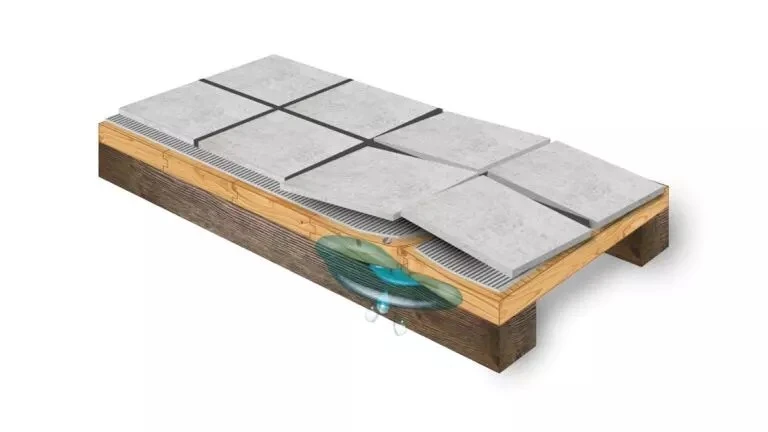
Moisture/humidity related expansion & contraction
Wood swells if it gets wet even with changes in atmospheric humidity. This can be a problem in potentially wet areas such as showers and bathrooms and also if the wood is not dry when installed (e.g. if it has been kept outside).